Bachata and Salsa: Staying Fit While Dancing
How Latin dance styles build strength, balance, and cardiovascular fitness. We break down the physical benefits and what to expect.
Everything you need to know about joining partner dance evenings at community halls, from what to expect on your first night to finding groups in your area.
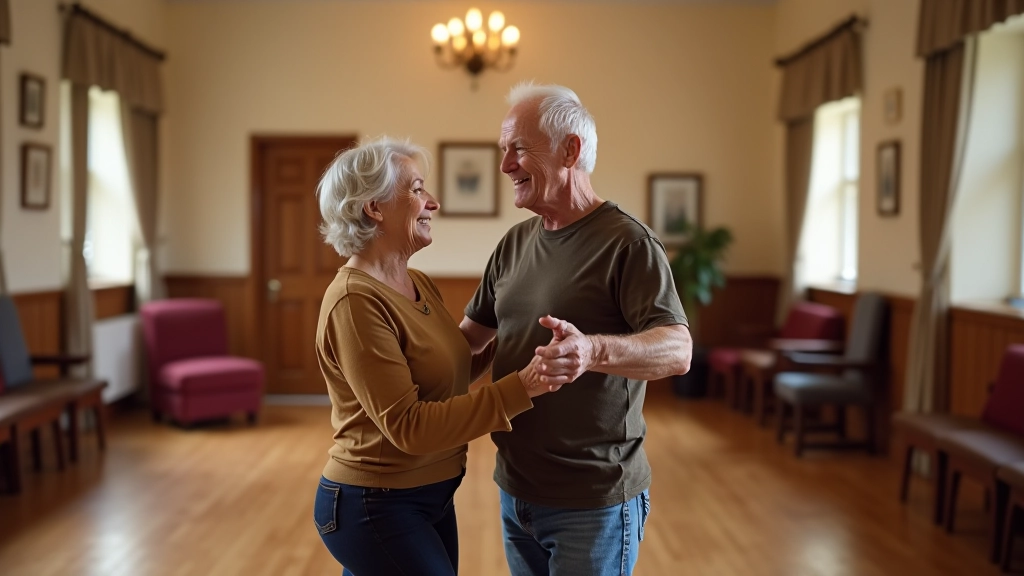

Walking into a partner dance evening for the first time can feel daunting. You're not sure if you'll fit in, whether you need to know someone already, or if everyone else has been dancing together for years. Here's the truth: most people feel exactly like that.
Partner dance evenings aren't formal competitions or exclusive clubs. They're social gatherings where adults come together to dance, laugh, and build friendships. Whether you're 45 or 75, whether you've danced before or you're stepping into a hall for the first time, there's a place for you. The community aspect is what makes these evenings special — it's not about being perfect, it's about showing up and enjoying yourself.
In Ireland, partner dance evenings happen in community halls, social clubs, and leisure centres across the country. From Dublin to Cork, Galway to Belfast, you'll find groups of people dancing salsa, bachata, swing, and traditional ceili. Each group has its own character, its own regulars, and its own welcome mat waiting for newcomers.
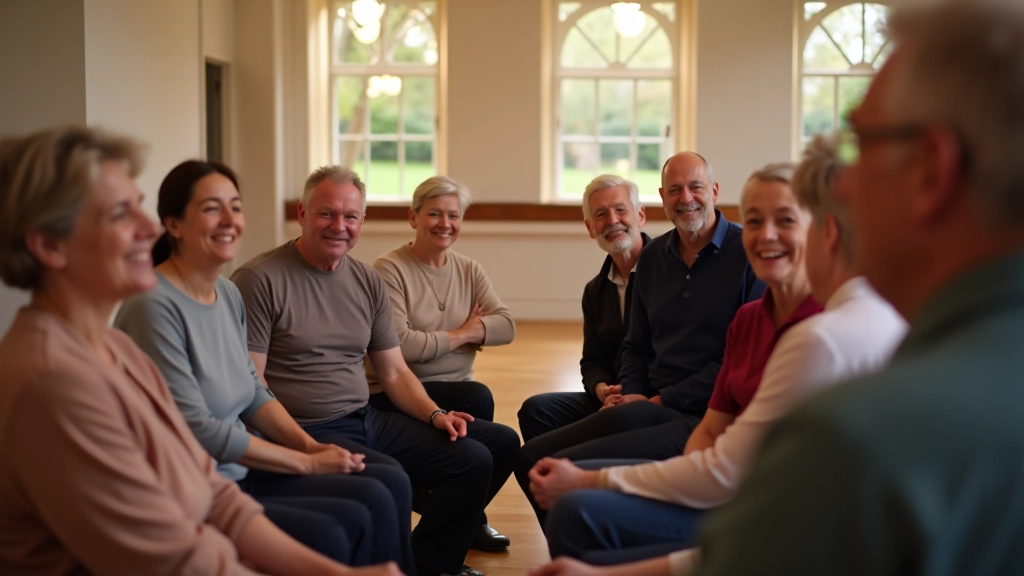
Search for "partner dance" or "salsa evenings" plus your town or city. Community halls often advertise on noticeboards or social media. Local leisure centres usually have schedules posted. Don't worry about picking the "right" one — most groups welcome visitors to try multiple evenings.
Show up 10-15 minutes before it starts. You'll have time to pay the small entry fee (usually €5-10), chat with the organiser, and watch a few dances before jumping in. This takes the pressure off and lets you settle in.
You don't need special dance shoes. Soft-soled shoes with good grip work fine. Women often prefer heels or dance shoes, but trainers are completely acceptable. The key is comfort — you'll be on your feet for 2-3 hours.
When music starts, don't sit on the sidelines worrying. Find someone, smile, ask "Would you like to dance?" and step onto the floor. Most people appreciate the confidence it takes to ask. If you mess up the steps? Everyone does. Keep going.
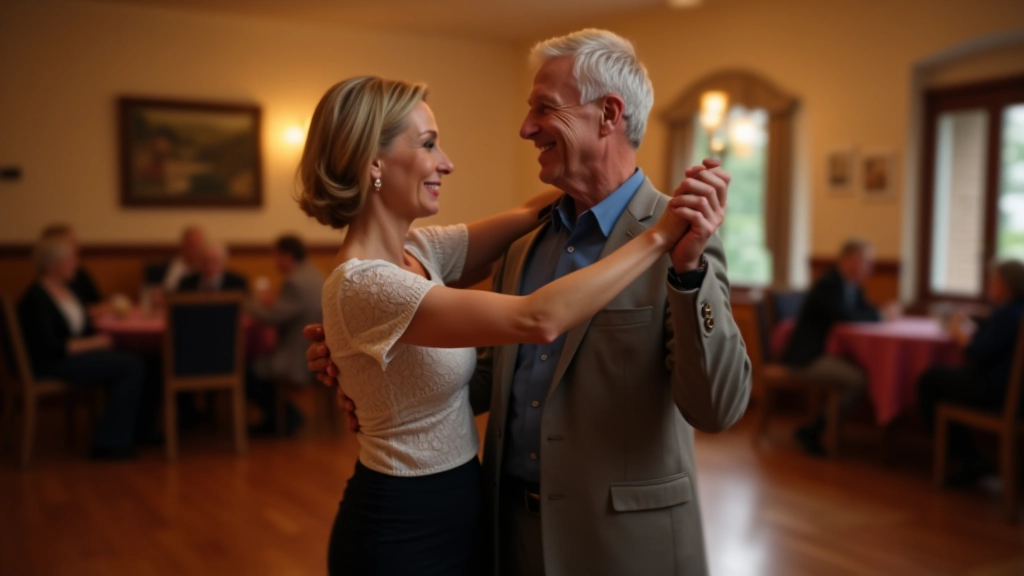
Most partner dance evenings follow a similar pattern. You'll arrive to find people already there, chatting and catching up. The organiser will put on music — usually a mix of salsa, bachata, swing, or whatever the evening focuses on. Couples and partners take to the floor while others watch or grab a drink.
There's often a short 10-15 minute lesson at the beginning, especially if the group caters to beginners. You'll learn a basic step or pattern before the social dancing starts. This takes the pressure off if you're new — everyone's learning together.
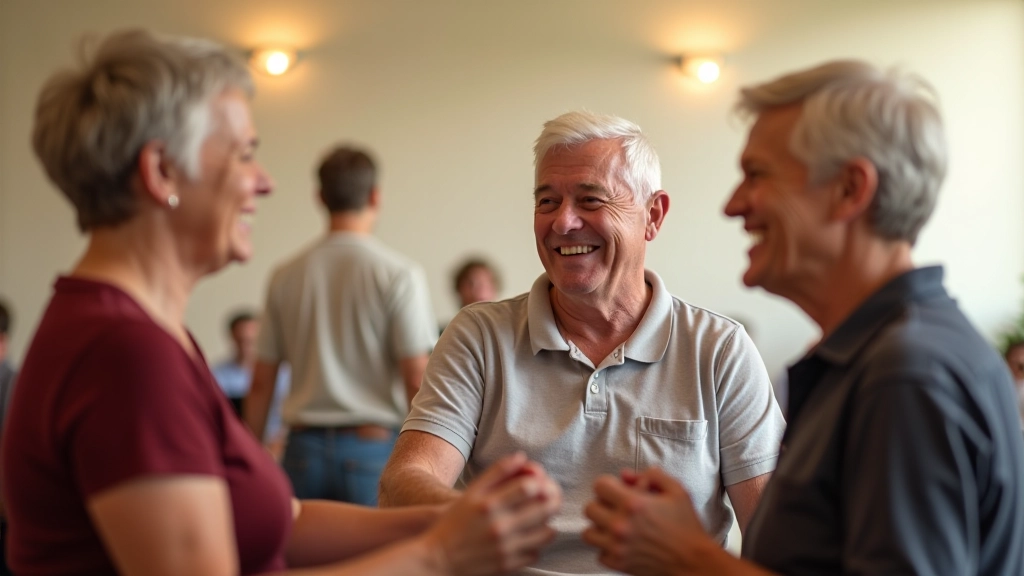
The social dancing usually runs for 2-3 hours with breaks for refreshments. People rotate partners regularly, so you're not locked in with one person all night. You'll dance with regulars and newcomers alike. It's genuinely inclusive. The age range is usually 40s right up to 80s, and there's a reason people keep coming back — the community is real.
Real Talk: Yes, there'll be experienced dancers. Yes, some couples have been dancing together for years. And yes, they're usually the first to welcome newcomers and offer to dance with someone learning. That's the culture.
You're not just dancing with strangers. Over weeks and months, you build genuine friendships. People ask about your week, remember details you've shared, and genuinely care. Many groups organise trips, dinners, or other social events beyond the dances.
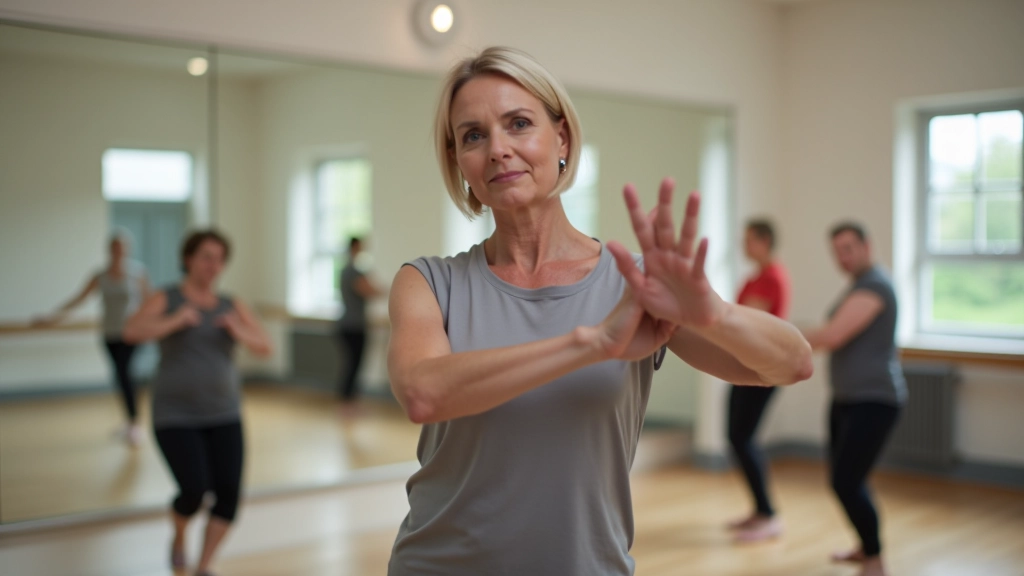
You're building strength, balance, and cardiovascular fitness without it feeling like exercise. Partner dancing improves coordination, flexibility, and endurance. Most people notice improved energy levels within a few weeks.
Dancing releases endorphins. You're focused on music, movement, and your partner — not on worries or stress. The social connection and sense of belonging are powerful for mental health at any age.
You're constantly picking up new steps, patterns, and techniques. There's always something to improve. This mental stimulation keeps your mind sharp and engaged.
Ireland has a thriving partner dance scene. In Dublin, you've got multiple salsa and bachata groups meeting several times a week. Cork has established groups that've been running for over a decade. Galway's scene is growing with new workshops and evening socials starting regularly. Even smaller towns often have at least one group meeting weekly or monthly.
The best way to find your local group is simple: ask at your community hall, leisure centre, or local dance studio. Check social media — most groups have Facebook pages where they post schedules and photos. Some advertise in local newspapers or community newsletters.
Don't feel pressured to stick with the first group you try. It's totally normal to visit a few different evenings to find the right fit. Some groups are more competitive, others purely social. Some focus on one style (salsa only), others mix styles throughout the evening. You'll know when you've found your people.
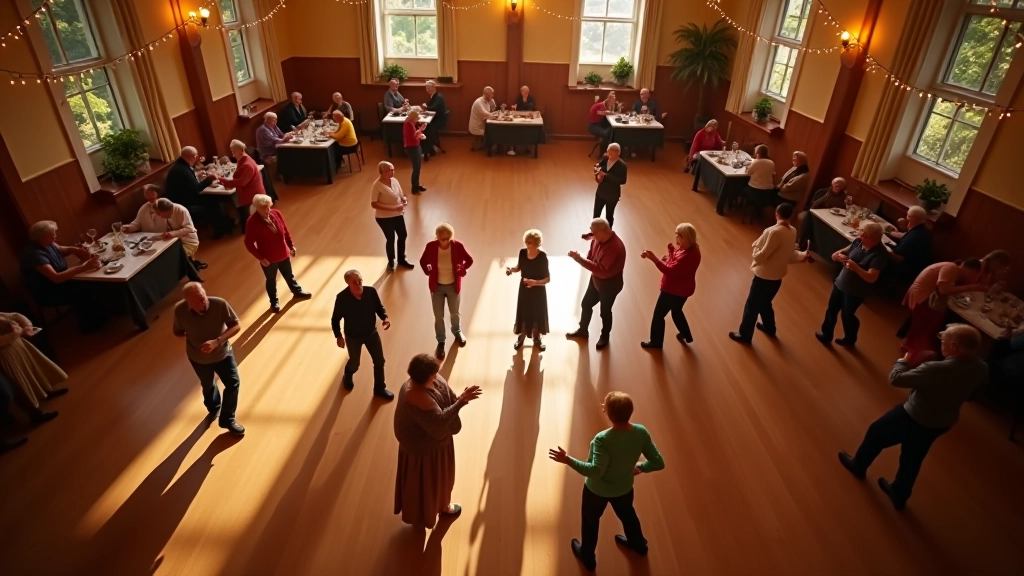
Partner dance evenings offer something rare in modern life: genuine community, physical activity, and joy all wrapped into one experience. You're not signing up for a high-pressure class or competitive environment. You're stepping into a space where people genuinely want to dance together and make new friends.
The hardest part is showing up that first time. Once you're there, once you've danced one song, once you've laughed at a mistake and kept going — you'll get it. You'll understand why people who start dancing at 50, 60, or 70 talk about it like it's changed their lives. Because for many, it has.
Search for partner dance evenings in your area this week. Pick one that fits your schedule. Wear comfortable shoes. Show up a few minutes early. Ask someone to dance. You've got this.
This article is educational and informational in nature. While partner dancing offers physical and social benefits, it's not a substitute for professional medical advice or fitness instruction. If you have any health concerns, mobility issues, or physical conditions, consult with your doctor or a qualified healthcare professional before starting any new physical activity. Dance instructors and group organisers may provide guidance, but they're not medical professionals. Always listen to your body, warm up appropriately, and stop if you experience pain or discomfort. The experiences and observations shared here reflect general community experiences and may vary based on individual circumstances and different dance groups.