Bachata and Salsa: Staying Fit While Dancing
How Latin dance styles build strength, balance, and cardiovascular fitness. We break down the physical benefits you'll actually feel within weeks.

Why Bachata and Salsa Are More Than Just Social Dancing
You've probably noticed older adults who dance regularly—they tend to move with more energy and confidence than their sedentary peers. There's a reason for that. Bachata and salsa aren't just fun ways to spend an evening. They're full-body workouts that'll improve your cardiovascular health, strengthen your core, and enhance your balance in ways that feel natural and enjoyable.
The beauty of these Latin dance styles is that you're not thinking about fitness while you're dancing. You're focused on the music, your partner, and the steps. But your body's working hard the entire time. Most people notice tangible improvements in strength and endurance within 4-6 weeks of consistent practice.
Cardiovascular Benefits: Your Heart Gets Stronger
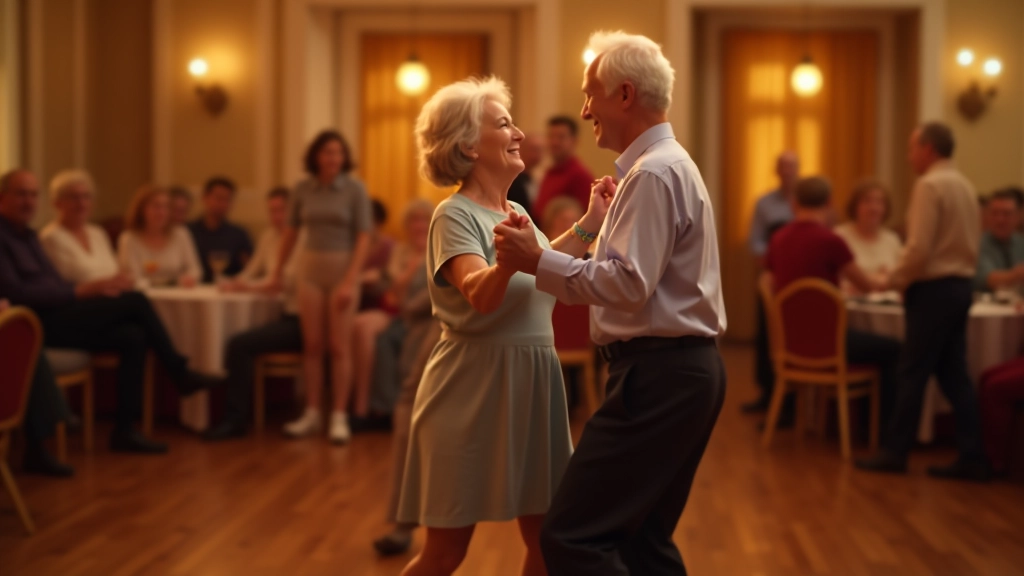
A typical bachata or salsa session keeps your heart rate elevated for 30-45 minutes straight. That's right in the zone where you're building aerobic fitness without feeling like you're grinding away on a treadmill. The continuous movement, combined with the rhythm changes and pattern shifts, means your cardiovascular system is constantly engaged.
Research shows that just 30 minutes of moderate-intensity dancing three times per week can improve heart health significantly. Your resting heart rate drops. You feel less winded climbing stairs. Your blood pressure stays healthier. Plus, dancing releases endorphins—those feel-good chemicals that naturally elevate your mood for hours after a session.
Real-world example
Most beginners report that after 3-4 weeks of dancing twice per week, they can dance through an entire song without stopping to catch their breath. That's measurable cardiovascular improvement.
Core Strength and Balance: The Hidden Benefits
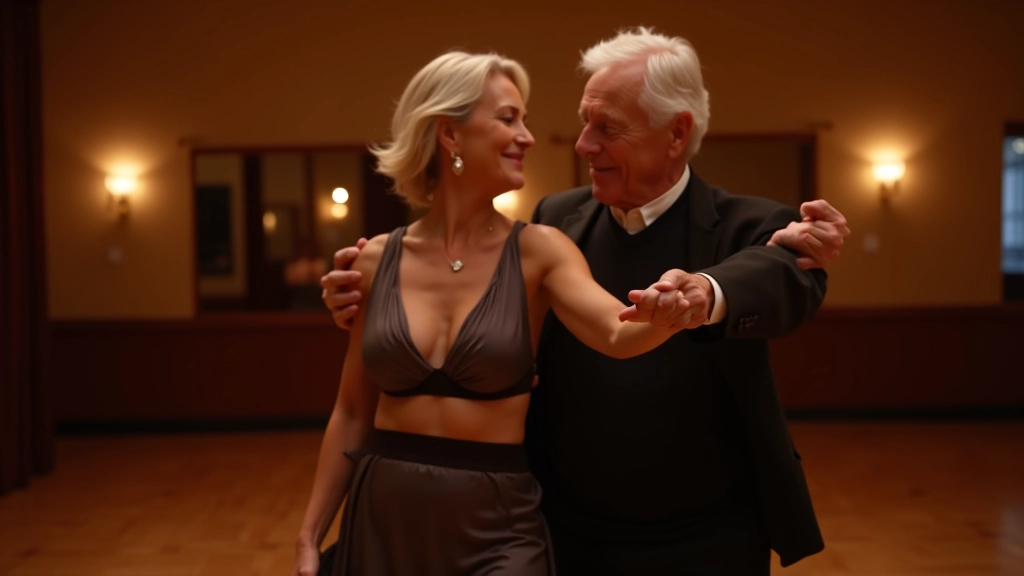
Here's what surprises most people: the constant weight shifts and hip movements in bachata and salsa engage your core muscles intensely. You're not doing crunches, but you're strengthening your abdominal and lower back muscles with every step. This translates directly to better posture, reduced back pain, and improved stability in daily life.
Balance improves because you're constantly shifting your weight from one foot to the other while maintaining connection with your partner. Your proprioception—your body's awareness of where it is in space—gets sharper. That means fewer falls, better coordination, and more confidence moving around. We've seen it happen repeatedly: people who struggled with balance after an injury or just from aging find that regular dancing gives them stability back.
The leg muscles strengthen too. Your quads, hamstrings, and glutes work throughout every dance. You're not building muscle mass like you would with weight training, but you're building functional strength—the kind that helps you climb stairs, carry groceries, and move through the world more easily.
Flexibility and Joint Health Improve Gradually
Dancing through a full range of motion—especially the hip and shoulder movements central to Latin styles—naturally increases your flexibility over time. You're not forcing stretches; you're gently moving through them as part of the dance pattern. This is actually safer than static stretching for many people, particularly those with joint concerns.
Joint health benefits from the low-impact nature of these dances. Unlike running or jumping, where your joints absorb impact with every step, dancing involves smooth, continuous movement. Your knees, hips, and ankles are moving but not being stressed. Many people with arthritis or joint stiffness find that dancing actually helps manage their symptoms—as long as they're dancing on proper flooring and listening to their bodies.
Mental Health and Cognitive Benefits Are Real
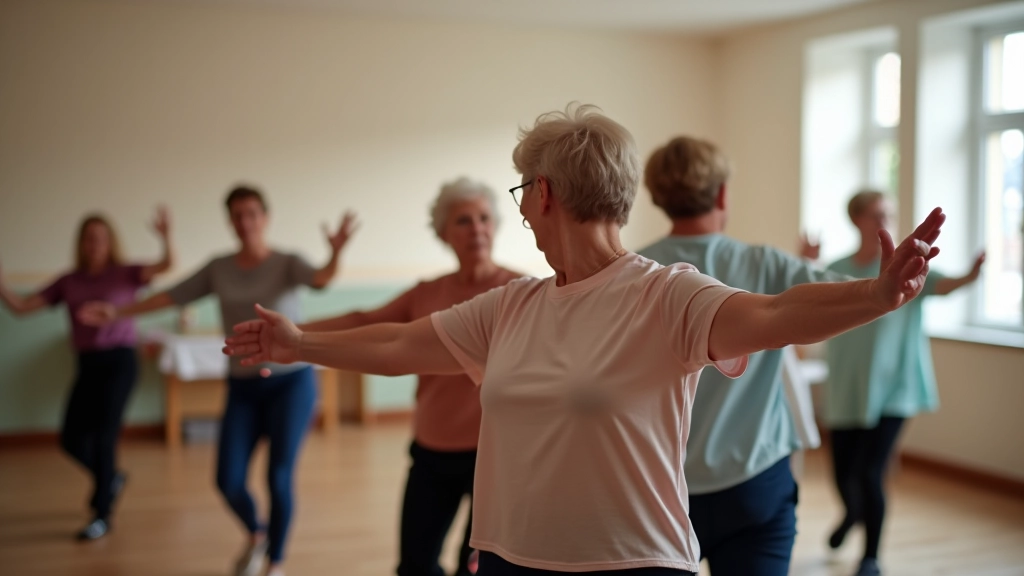
Beyond the physical fitness gains, there's the mental side. Dancing requires focus—you're thinking about the steps, listening to the music, responding to your partner. That kind of engagement keeps your mind sharp. You're literally using your brain to coordinate complex movements, which builds cognitive resilience.
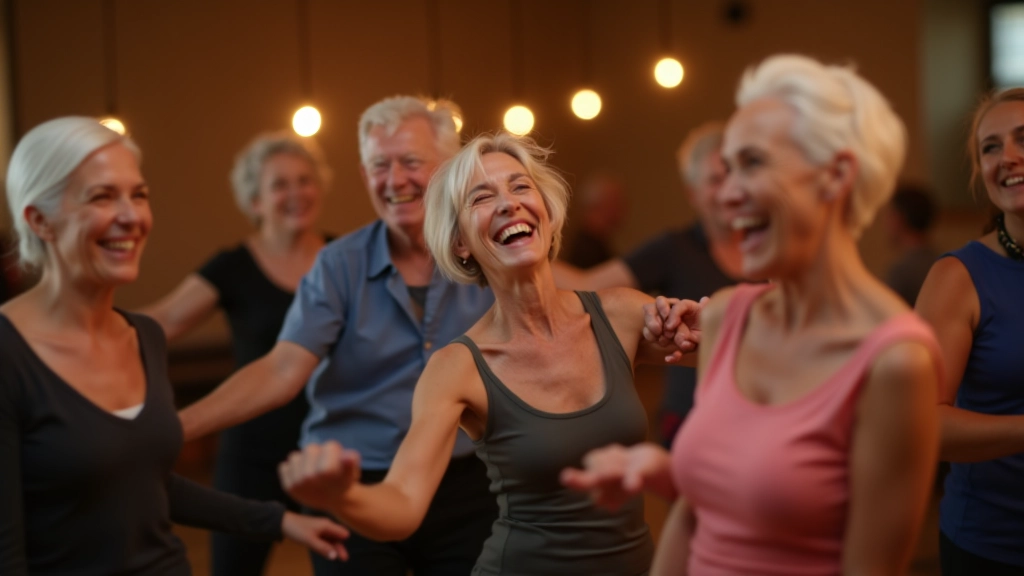
The social aspect matters enormously. You're not isolated on a treadmill; you're interacting with other people, building friendships, becoming part of a community. This reduces isolation and depression, two issues that often accompany aging. The confidence boost from learning new skills and feeling competent on the dance floor carries into other areas of life.
And let's be honest—it's fun. You're moving to music you enjoy, often with people you like. That enjoyment means you'll actually stick with it, unlike fitness routines that feel like punishment. Consistency matters more than intensity when it comes to long-term health benefits.
Getting Started: What to Expect
1
Start with a beginner class
Look for classes specifically labeled "beginner" or "absolute beginner." Most communities in Ireland have these at local dance studios or community centers. A typical class runs 60-90 minutes.
2
Commit to consistency
Two sessions per week for at least 4-6 weeks gives you real results. You'll notice improved balance, less breathlessness, and genuine skill progression. One session per week is fine for maintenance once you're established.
3
Invest in proper footwear
Dance shoes aren't essential at first, but supportive shoes designed for dancing reduce joint stress and improve your technique. You'll notice the difference within a few sessions.
4
Listen to your body
It's normal to feel sore the first week—you're using muscles you haven't engaged in a while. But sharp pain is a signal to modify or stop. Good instructors can show you modifications for any joint concerns.
The Bottom Line
Bachata and salsa aren't gimmicks or shortcuts to fitness. They're legitimate, enjoyable ways to build strength, cardiovascular health, balance, and flexibility while being part of a social community. The fact that you're having fun and connecting with others while getting these benefits is what makes dancing sustainable long-term.
If you've been thinking about trying dance but weren't sure whether it was "real exercise," the answer is absolutely yes. Your heart, muscles, and mind will all thank you. And you'll probably enjoy yourself far more than you would in a traditional gym setting. That's worth something.
Disclaimer
This article is for informational purposes and isn't a substitute for professional medical or fitness advice. While dancing offers genuine health benefits, individual results vary based on age, fitness level, and existing health conditions. If you have joint problems, heart conditions, or haven't exercised in a long time, consult your doctor before starting a new dance program. A qualified dance instructor can help you modify movements to suit your abilities.